Call us now :08045803164
 Send Inquiry
 Send Inquiry
Electroplating Plant
Price 500000.00 INR/ Unit
MOQ : 1 Unit
Electroplating Plant Specification
- Temperature Range
- Ambient to 60°C
- Concentration
- As per process requirement
- Grade Standard
- Industrial Grade
- Packaging Type
- Standard Export Worthy Packaging
- Chemical Name
- Nickel Sulphate, Copper Sulphate, Zinc Sulphate, Chrome
- Dimension (L*W*H)
- 3000 mm x 1200 mm x 900 mm
- Voltage
- 220 V
- Surface Treatment
- Galvanized / Chemical Coated
- Corrosion Resistance
- Yes
- Heater Type
- Immersion Heater
- Material of Construction
- PP/FRP/MS/SS
- Control Panel
- Digital / Manual control available
- Power Source
- Electric
- Application Area
- Electroplating of metals such as Zinc, Nickel, Chrome, Copper
- Number of Tanks
- Custom as per plant design
About Electroplating Plant
As one of India's leading manufacturers, we are committed to offer a technically advanced range of Electroplating Plant. These plants are very effective in carrying out plating process like nickel plating, zinc plating, copper plating, tin plating and lead plating. Made from top notch materials at our state of the art machining facility, our Electroplating Plant is largely demanded in automotive, engineering, and electrical industries. Furthermore, our clients have the advantage to customize these plants as per their needs.
Features:
- Advance service life
- Simple to operate
- Less power consumption
Customizable Engineering for Precision Electroplating
Every electroplating plant is tailored to specific industrial needs, offering customization in tank numbers, materials of construction, and control systems. Whether for zinc, nickel, chrome, or copper plating, our solutions ensure consistent, high-quality results. The integration of immersion heaters and versatile control panels assures precise process management and operational flexibility.
Durable Construction and Corrosion Resistance
Manufactured from PP, FRP, MS, or SS, the plant assures long-term durability, even under harsh chemical conditions. Corrosion resistance is a key attribute, securing both equipment longevity and process efficiency. This steadfast construction supports rigorous, continuous operations required by demanding electroplating processes.
FAQs of Electroplating Plant:
Q: How does the electroplating process work in your plant?
A: Our plant uses a combination of custom-built tanks, immersion heaters, and precise digital or manual controls to conduct the electroplating process. Metals such as zinc, nickel, chrome, or copper are deposited onto the components surface using electrical current and appropriate chemical solutions at controlled temperatures.Q: What benefits does corrosion resistance provide in your construction materials?
A: Constructing tanks from PP, FRP, MS, or SS offers excellent corrosion resistance, which prolongs equipment lifespan, reduces maintenance, and ensures stable plating quality. This is especially vital given the plants exposure to aggressive chemicals involved in the electroplating process.Q: When should the concentration and temperature be adjusted during electroplating?
A: Adjustments to chemical concentration and operating temperature are made according to the specific metal being plated and the process requirements. Plant operation can range from ambient to 60C and concentrations are maintained in alignment with industrial electroplating protocols for nickel, copper, zinc, or chrome.Q: Where can your electroplating plant be installed?
A: Our electroplating plants are suitable for various industrial settings across India and internationally. Each unit is delivered in standard export-worthy packaging, ensuring safe transit and installation at the clients facility, whether for manufacturing hubs or specialized service centers.Q: What maintenance is required for optimal operation?
A: Routine inspections to ensure immersion heaters, control panels, and tanks remain in prime condition are essential. Proper cleaning, timely chemical replenishment, and checks for wear, particularly on corrosion-resistant components, help maintain consistent plant performance.Q: How does digital versus manual control impact usage?
A: Digital control panels provide automated, precise process management, enabling easier monitoring and adjustments. Manual controls, on the other hand, offer direct operation for plant managers who prefer hands-on oversight. Both options are designed to optimize plating uniformity and process safety.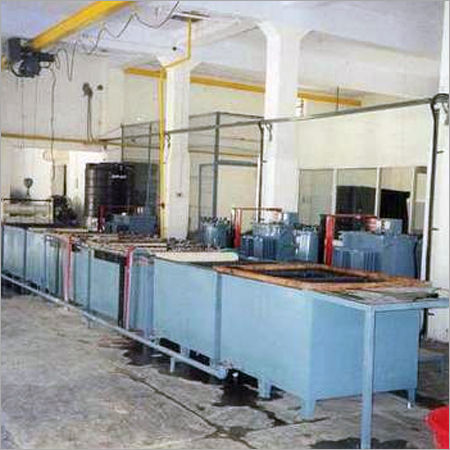
Tell us about your requirement

Price:
Quantity
Select Unit
- 50
- 100
- 200
- 250
- 500
- 1000+
Additional detail
Mobile number
Email

More Products in Electroplating Equipments Category
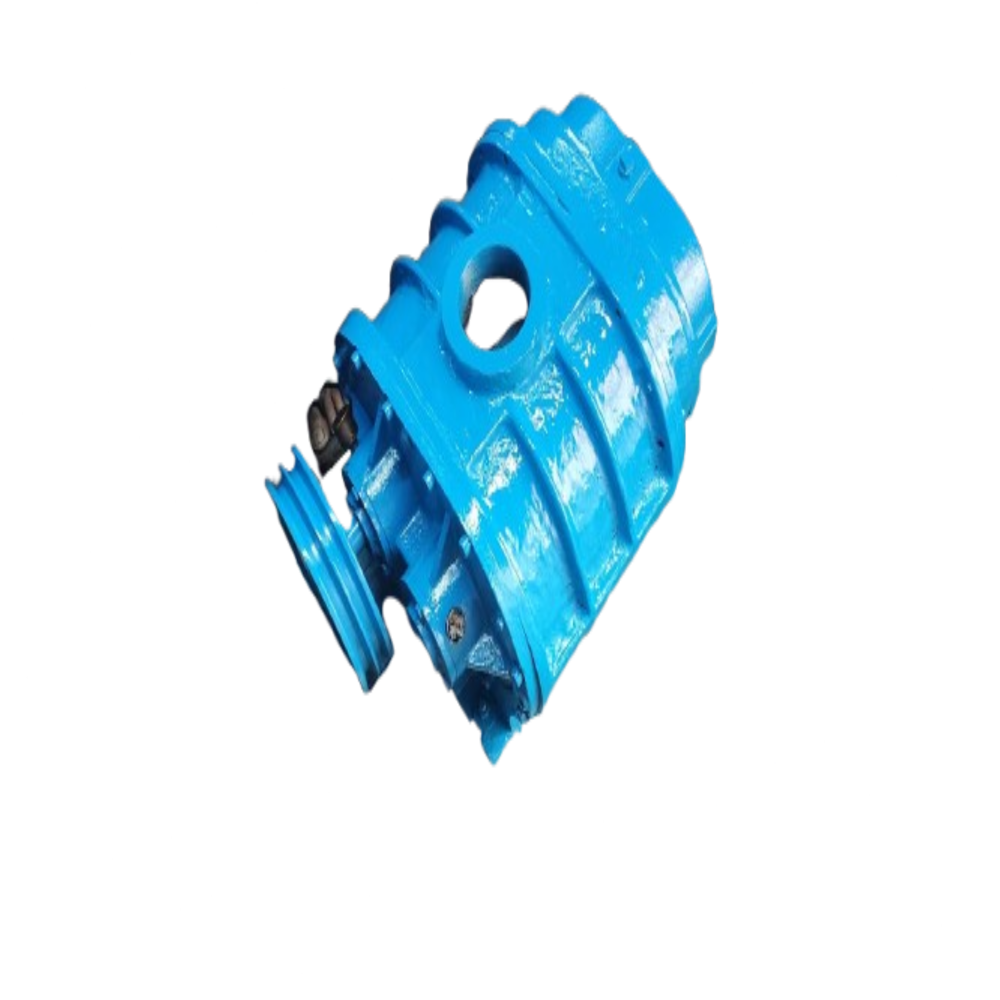
TWIN LOBE AIR BLOWER
Price 40000.0 INR / Piece
Minimum Order Quantity : 1 Piece
Dimension (L*W*H) : Depends on model (customizable)
Shelf Life : 15 Years
Equipment Type : Air Blower
Packaging Type : Wooden Box
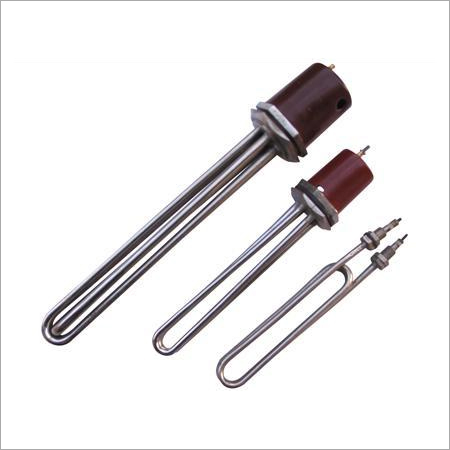
Electrical Immersion Heater Electroplating
Price 500 INR / Piece
Minimum Order Quantity : 10 Pieces
Dimension (L*W*H) : Variable, customizable as per requirements
Shelf Life : Up to 5 years (if properly maintained and stored)
Equipment Type : Immersion Heater
Packaging Type : Robust Carton/ Wooden Box Packing
Magnet Drive Filter Unit
Price 15000 / Unit
Minimum Order Quantity : 1 Unit
Dimension (L*W*H) : As per requirement
Shelf Life : Long Life
Equipment Type : Industrial Filtration Equipment
Packaging Type : Wooden Box
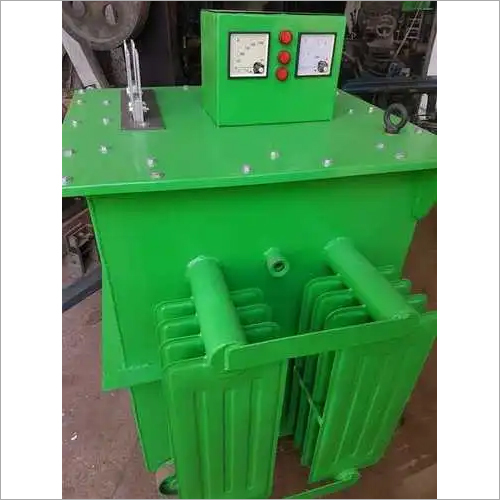
Electroplating Rectifier
Price 80000 INR / Piece
Minimum Order Quantity : 1 Piece
Dimension (L*W*H) : 900 x 900x 900 Millimeter (mm)

 Send Inquiry

Our Products
- Electroplating Equipments
- Rotomatic Electroplating Plant
- Plant
- Electroplating Plants
- Transformer Radiator
- Semi Automatic Electroplating Line
- Silicone Diode Rectifier
- Effluent Treatment Plant
- Process Control Panels
- Metal Finishing Equipment
- Automatic PLC Controled Electroplating
- Electroplating joint venture
- Material handling Equipment
- Magnetic drive Filter Unit
- Electroplating Jigs
- Electroplating Tank
- Agricultural Equipment
- Magnetic Drive Pump
- Turbine Blower

Plot No-107, HSIIDC Industrial Estate,Ambala Cantt - 133001, Haryana, India

Mr Yugeesh Goel
(Mechanical Engineer)
Mobile :08045803164
Mr. R. P. Goel
(Technical Director)
Mobile :08045803164
 Send Inquiry
 Send SMS
Developed and Managed by Infocom Network Private Limited.
