Call us now :08045803164
 Send Inquiry
 Send Inquiry
PLC Controlled Electroplating Plant
Price 100000 INR/ Unit
MOQ : 1 , , Piece
PLC Controlled Electroplating Plant Specification
- Tank Capacity
- 500 to 2000 Litres (per tank, customizable)
- Grade Standard
- Industrial Grade
- Packaging Type
- Assembled/Containerized
- Chemical Name
- Varies as per plating process (e.g., Nickel Sulphate, Zinc Sulphate)
- Concentration
- Customizable as per process
- Temperature Range
- Ambient to 80°C
- Equipment Type
- PLC Controlled Electroplating Plant
- Dimension (L*W*H)
- 3000 mm x 1200 mm x 1200 mm
- Voltage
- 415 V AC
About PLC Controlled Electroplating Plant
With experience and expertise, we have become an expert manufacturer of PLC Controlled Electroplating Plant. These plants are used for nickel, zinc, copper, tin and lead electroplating process on various metal objects in tool, hardware and automotive industries. Our PLC Controlled Electroplating Plant is made by our professionals as per the set industry norms using supreme grade materials. We follow the parameters of the national and international quality standards to offer our clients with utmost pleasure in terms of quality.
Key Features:
- Energy efficient
- Durable design
- Low maintenance
Automated PLC Control for Enhanced Efficiency
The integration of PLC systems in the electroplating plant ensures accurate process control, repeatability, and easy monitoring of all parameters. Users benefit from reduced manual intervention, consistent results, and streamlined operation for complex plating requirements. This technology supports both large-scale and small-batch production with reliability and user adaptability.
Customizable Tank Capacity and Chemical Selection
Tank volumes can be specified from 500 to 2000 litres, giving flexibility to handle diverse workloads. The plant supports a wide range of chemicals, such as Nickel Sulphate or Zinc Sulphate, enabling users to perform various plating processes with tailored concentrations as per industrial needs. Customization ensures suitability for specific production targets.
Optimized for Industrial Standards and Packaging
Designed to meet stringent industrial grade standards, the electroplating plant guarantees durability and safety. Packaging options include fully assembled systems or containerized units for ease of transport and installation. This versatility facilitates deployment in different industrial settings across India and export markets.
FAQs of PLC Controlled Electroplating Plant:
Q: How does the PLC controlled system benefit electroplating operations?
A: The PLC system automates process control, providing precise adjustments to plating parameters such as temperature, chemical concentration, and timing. This results in uniform plating quality, reduced error rates, and improved operational efficiency compared to manual systems.Q: What types of chemicals does the electroplating plant support?
A: The plant accommodates a wide range of plating chemicals including Nickel Sulphate and Zinc Sulphate. The chemical selection and concentration are customizable based on specific plating requirements, allowing flexibility for different metal finishes.Q: When should the tank capacity be customized in an electroplating plant setup?
A: Tank capacity should be customized according to production volume, part sizes, and the specific plating process utilized. Options range from 500 to 2000 litres per tank, enabling users to optimize their workflow for batch or continuous operations.Q: Where is the PLC controlled electroplating plant typically installed?
A: It is widely installed in industrial facilities across India and exported internationally. The plants standard dimensions and packaging options make it suitable for various manufacturing sites, including automotive, electronics, and metalworking industries.Q: What is the process of setting up a PLC controlled electroplating plant?
A: Setup involves selecting appropriate tank size, connecting to a 415 V AC power source, configuring the PLC parameters, filling tanks with the required chemicals, and calibrating the temperature and concentration according to the plating specification. The plant is usually supplied either assembled or containerized for quick installation.Q: How is the electroplating plant used for different plating processes?
A: Operators can adjust the PLC controls for temperature, chemical type, and process duration to suit various plating methods such as nickel or zinc. This flexibility enables the plant to deliver consistent results across multiple metal coating applications.Q: What are the main benefits of using a PLC controlled electroplating plant over conventional models?
A: Key benefits include improved process automation, higher consistency in plating quality, reduced labor intervention, enhanced safety, and easier scalability for different production volumes. The system also allows real-time monitoring and troubleshooting, leading to lower downtime and operational costs.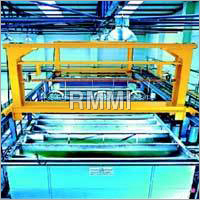
Tell us about your requirement

Price:
Quantity
Select Unit
- 50
- 100
- 200
- 250
- 500
- 1000+
Additional detail
Mobile number
Email

More Products in Electroplating Plants Category
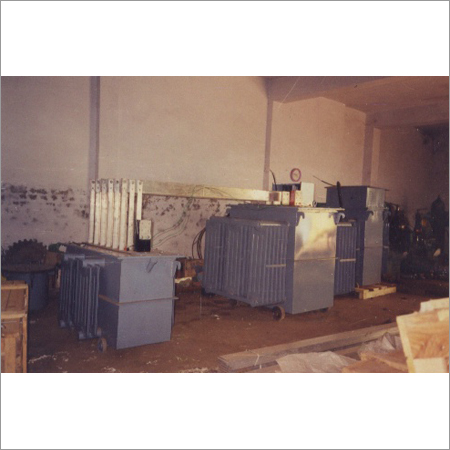
Automatic Zinc Plating Plant
Price 1865000 INR
Minimum Order Quantity : as per requirement Piece
Equipment Type : Fully Automatic/Batch/Barrel/Hoist Type
Equipment Type : Other, Automatic Zinc Plating Plant
Grade Standard : Technical Grade
Voltage : 380V/415V

 Send Inquiry

Our Products
- Electroplating Equipments
- Rotomatic Electroplating Plant
- Plant
- Electroplating Plants
- Transformer Radiator
- Semi Automatic Electroplating Line
- Silicone Diode Rectifier
- Effluent Treatment Plant
- Process Control Panels
- Metal Finishing Equipment
- Automatic PLC Controled Electroplating
- Electroplating joint venture
- Material handling Equipment
- Magnetic drive Filter Unit
- Electroplating Jigs
- Electroplating Tank
- Agricultural Equipment
- Magnetic Drive Pump
- Turbine Blower

Plot No-107, HSIIDC Industrial Estate,Ambala Cantt - 133001, Haryana, India

Mr Yugeesh Goel
(Mechanical Engineer)
Mobile :08045803164
Mr. R. P. Goel
(Technical Director)
Mobile :08045803164
 Send Inquiry
 Send SMS
Developed and Managed by Infocom Network Private Limited.
